
Low water pressure is one of those problems that many homeowners put up with for far longer than they should. While it can sometimes be caused by simple plumbing issues inside the property, persistently low pressure often points to a problem with the incoming supply pipe.
What Causes Low Water Pressure?
There are several potential causes of low water pressure:
- A leak on the incoming supply pipe between the mains and your property
- Internal corrosion or scaling that reduces the pipe diameter
- A partially closed or faulty stopcock
- An undersized supply pipe that cannot deliver sufficient flow
- A shared supply pipe serving multiple properties
When a Leak Is the Cause
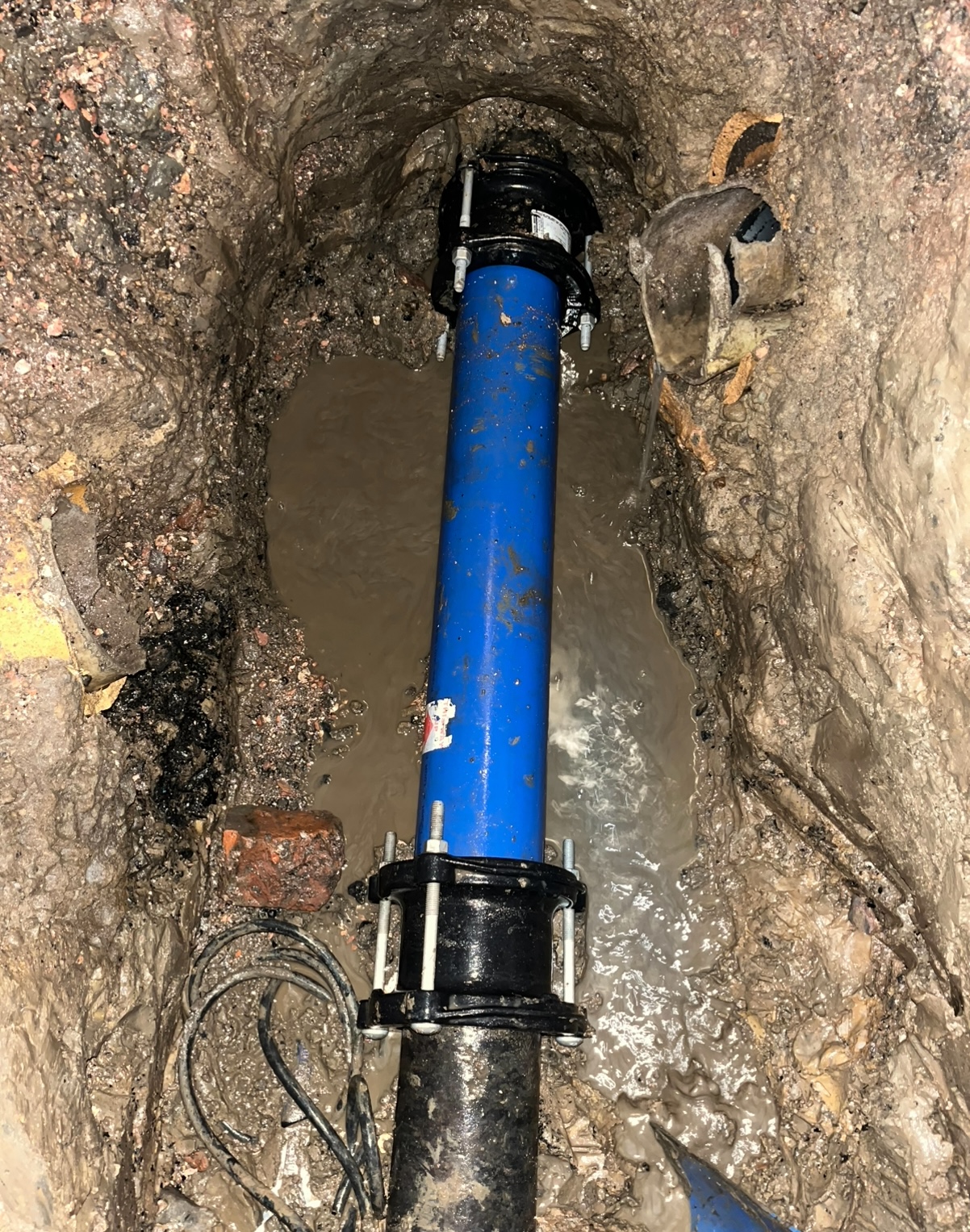
If the supply pipe has developed a crack or break underground, water escapes before it reaches the property. This can reduce pressure at all outlets inside the home. Often the leak is not visible because the pipe runs beneath a driveway, path or garden.
Professional hidden water leak detection can confirm whether a leak is present and locate it precisely without unnecessary digging.
When the Pipe Itself Is the Problem
In older properties, the supply pipe may be made from lead or galvanised steel. Over decades, the internal diameter of these pipes can narrow significantly due to corrosion and mineral build-up. Even without a leak, this restriction reduces flow and pressure.
In these cases, a new supply installation or lead pipe renewal may be the most effective solution.
What Should You Do?
If you are experiencing low water pressure that affects multiple outlets in your property, it is worth having the incoming supply pipe assessed. A professional survey can identify whether the issue is caused by a leak, pipe condition, or another factor — and recommend the right course of action.
Concerned About Your Water Pressure?
Book a free assessment and we'll investigate the cause.
Book Free Assessment